

The Future of Surgical Technology in India: Advancing Precision, Efficiency and Patient Care
India’s healthcare sector is undergoing a significant transformation, driven by advances in medical technology, growing clinical expertise, and increasing demand for safer and more efficient surgical procedures. Hospitals and surgeons are increasingly adopting advanced surgical technologies that can improve precision, reduce procedural complexity, and support better patient recovery.
From laparoscopy and gynecology to bariatric surgery, endo-urology, colorectal and gastrointestinal procedures, ENT, and robotic surgery, modern surgical solutions are changing the way complex procedures are planned and performed.
For hospitals, investing in the right surgical technology is no longer simply about acquiring advanced equipment. It is about building a reliable ecosystem that combines quality medical devices, clinical usability, technical expertise, training, and dependable after-sales support.
The Growing Importance of Advanced Surgical Technology
Traditional surgical procedures have played an important role in modern medicine for decades. However, technological advancements have introduced new approaches that allow surgeons to perform increasingly complex procedures with greater precision.
Modern surgical systems can help healthcare institutions focus on several important priorities:
- Improved surgical precision
- Better visualization during procedures
- Minimally invasive techniques
- Efficient operating-room workflows
- Reduced procedural complications
- Faster patient recovery
- Better utilization of hospital resources
- Improved support for complex surgical procedures
The objective is not technology for technology’s sake. The real value lies in selecting solutions that support surgeons and contribute to improved patient care.
Laparoscopic Surgery: A Major Step Towards Minimally Invasive Care
Laparoscopic surgery has become an important part of modern surgical practice. Instead of relying on large incisions, laparoscopic procedures use specialized instruments and visualization systems to enable surgeons to operate through smaller access points.
This approach can offer several potential advantages, including smaller incisions, reduced tissue trauma, shorter hospital stays, and faster recovery for appropriate patients.
However, successful laparoscopic surgery depends on more than the instruments themselves. High-quality visualization, dependable surgical equipment, ergonomic instruments, and proper technical support all contribute to an efficient operating environment.
For hospitals developing or upgrading their minimally invasive surgery capabilities, choosing a comprehensive technology partner can therefore be as important as choosing individual products.
Advancements in Gynecological Surgery
Technology has also transformed several areas of gynecological surgery. Procedures involving laparoscopy and hysteroscopy increasingly rely on specialized visualization systems and precision instruments.
Modern gynecological surgical solutions can support surgeons in procedures where clear visualization and controlled instrument handling are essential.
As demand for minimally invasive gynecological procedures continues to grow, hospitals require reliable equipment that integrates effectively into existing operating-room workflows.
The Evolution of Bariatric Surgery
With obesity becoming an increasingly important healthcare concern, bariatric surgery has emerged as a significant area of surgical practice.
Advanced bariatric procedures require specialized instruments, dependable equipment, and a well-coordinated surgical team. Technology can help surgeons perform procedures with greater control while supporting standardized operating-room practices.
For hospitals, the focus should extend beyond equipment procurement. Product quality, availability, staff training, technical assistance, and long-term service should all be considered when establishing a bariatric surgery program.
Endo-Urology and Modern Urological Procedures
Endo-urology represents another area where technological advancement has had a substantial impact.
Modern endoscopic systems provide surgeons with improved visualization and specialized instruments for performing procedures through minimally invasive approaches.
As urological procedures become increasingly sophisticated, healthcare institutions need access to reliable surgical technologies supported by technical knowledge and responsive service.
A strong combination of equipment, expertise, training, and maintenance can help hospitals maximize the value of their surgical investments.
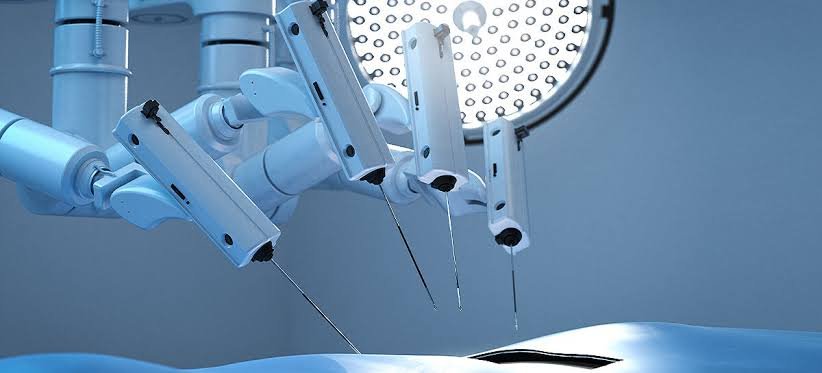
Robotic Surgery: The Next Generation of Surgical Precision
Robotic-assisted surgery represents one of the most advanced developments in modern surgical technology.
Robotic systems are designed to provide surgeons with enhanced control, visualization, and instrument articulation. While robotic surgery involves significant investment and requires specialized infrastructure and training, it can open new possibilities for hospitals seeking to expand their advanced surgical capabilities.
The adoption of robotic technology should be approached strategically. Hospitals need to evaluate clinical requirements, infrastructure, surgeon expertise, operating-room workflow, maintenance requirements, and long-term return on investment.
The right technology partner can play an important role throughout this transition.
Why Technical Support Matters as Much as the Equipment
One of the most overlooked aspects of medical technology procurement is after-sales support.
A sophisticated surgical system is only valuable when it remains operational and accessible to clinical teams. Equipment downtime can affect operating schedules, hospital efficiency, and patient services.
Healthcare institutions should therefore evaluate suppliers based on more than product specifications.
Important considerations include:
Product reliability: Equipment should meet the required quality and performance standards.
Technical expertise: Service teams should understand the technology they support.
Training: Surgeons, nurses, technicians, and other relevant staff may require appropriate product and operational training.
Maintenance: Preventive maintenance and timely troubleshooting can help reduce unexpected downtime.
Responsiveness: Medical equipment support requires prompt communication and practical solutions.
These factors create a long-term partnership rather than a simple supplier relationship.
Choosing the Right Surgical Technology Partner
When hospitals evaluate surgical technology providers, several factors should be considered.
1. Clinical Expertise
A supplier should understand the clinical applications of the technologies it provides and be able to communicate effectively with surgeons and hospital teams.
2. Product Portfolio
A broader portfolio across surgical specialties can make it easier for hospitals to develop integrated technology solutions.
3. Global Technology Partnerships
Collaboration with established international medical technology manufacturers can provide healthcare institutions access to advanced products and established technologies.
4. Training and Demonstration
Product demonstrations and practical training can help clinical teams understand how equipment can be incorporated into their procedures and workflows.
5. Long-Term Service
A dependable post-sales service network is essential for protecting the hospital’s investment over the long term.
Contel Medicare: Supporting Surgical Excellence Across India
Since its establishment in 1993, Contel Medicare Systems Pvt. Ltd. has focused on providing advanced surgical solutions and medical technologies to hospitals, surgeons, and healthcare institutions across India. The company states that its expertise spans more than five decades of industry experience and includes specialties such as laparoscopy, gynecology, bariatrics, endo-urology, colorectal and gastrointestinal surgery, ENT, and robotic surgery.
Contel Medicare has also worked with global medical technology companies including Karl Storz, Medtronic (Covidien), InBody, Johnson & Johnson, Baxter, and Panther Healthcare.
Its stated mission is to empower surgeons and hospitals with world-class surgical solutions and service while supporting better patient outcomes across India.
Conclusion
The future of healthcare in India will increasingly depend on the effective integration of medical expertise and advanced technology.
From minimally invasive laparoscopy to robotic-assisted surgery, innovations are giving surgeons new tools to approach complex procedures with greater precision and efficiency.
For hospitals, the strategic priority should be to select technologies based not only on specifications but also on reliability, clinical suitability, training, technical support, and long-term service.
A trusted surgical technology partner can help healthcare institutions make informed technology investments and build stronger capabilities for the future.
Contel Medicare continues to support hospitals and surgical professionals with advanced technologies and solutions across multiple surgical specialties.
Frequently Asked Questions
What is advanced surgical technology? Advanced surgical technology includes modern medical systems, instruments, visualization technologies, minimally invasive solutions, and robotic platforms designed to support surgeons during surgical procedures.
What are the benefits of laparoscopic surgery? Laparoscopic procedures generally involve smaller incisions and may offer benefits such as reduced tissue trauma and faster recovery for suitable patients.
Why is surgical equipment training important? Proper training helps healthcare professionals understand equipment functionality, operating procedures, and appropriate integration into clinical workflows.
What should hospitals consider when purchasing surgical equipment? Hospitals should evaluate clinical requirements, product quality, compatibility, technical support, training, maintenance, service responsiveness, and long-term operational value.
What surgical specialties does Contel Medicare support? Contel Medicare’s stated areas of specialization include laparoscopy, gynecology, bariatrics, endo-urology, colorectal and gastrointestinal surgery, ENT, and robotic surgery.